

Showing all 9 resultsSorted by latest


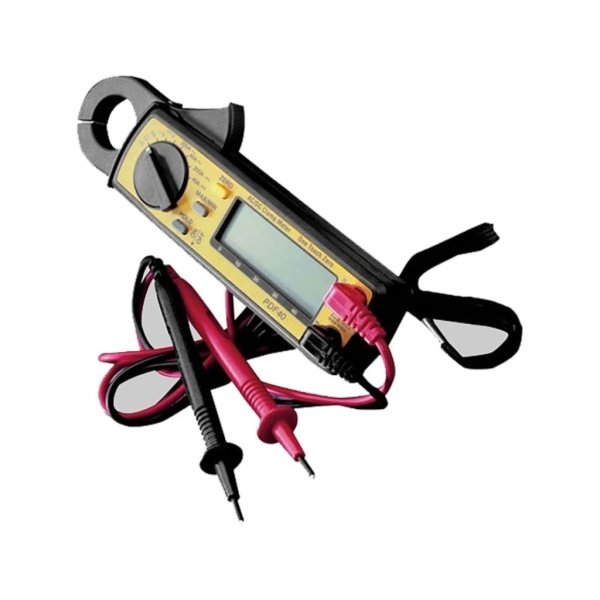
Franklin Grid Celltron Advantage Digital Amp Clamp Meter
Original price was: $397.00.$359.00Current price is: $359.00.Franklin Grid Solutions Power Utilities Diagnostics
Secure absolute substation grid redundancy and enforce immaculate standby battery reliability using our commercial-grade collection of diagnostic hardware from Franklin Grid Solutions. Engineered specifically for telecom data center facilities, power distribution utility control rooms, and critical transport hub backup arrays, these instruments ensure uncompromised uptime. Find your target low-resistance battery-testers calibrated to calculate internal impedance, track cell voltage decay profiles, and satisfy strict regulatory compliance codes cleanly.
Franklin Grid Battery Impedance Balancing & Telemetry Features
Allowing stationary utility backup battery banks to operate with unmonitored internal resistance spikes risks catastrophic grid power dropouts and hidden breaker failures. To secure reliable, trace-legal power distribution protection across dense industrial layouts, ensure your active technical procurement checklist matches these five core mechanical design parameters:
- Four-Terminal Kelvin Connection Leads: Advanced multi-wire contact leads eliminate internal test lead resistances during diagnostic routines.
- Non-Contact Flexible Induction Sensors: High-sensitivity inductive coils trace phase unbalances cleanly inside digital current-dataloggers.
- High-Speed Isolation Sampling Bridges: Advanced processing microprocessors capture high-frequency transients via heavy-duty data-acquisition-systems.
- Extended Non-Volatile Flash Chips: Onboard data storage chips archive thousands of time-stamped parameters smoothly during total power disruptions.
- Intelligent Wireless Telemetry Systems: Integrated communication data modules support automated remote utility cloud monitoring synchronization loops smoothly.
Frequently Asked Questions
Q: Why is checking internal cell resistance critical for stationary backup power banks?
A: Internal cell impedance spikes as backup batteries degrade. Tracking these metrics mathematically isolates weak cells, letting utility engineers replace components before an active power outage drops critical facility systems.
Q: What role does a four-terminal Kelvin test clip execute during grid battery audits?
A: The four-terminal Kelvin connection splits the current and voltage paths. This architecture isolates and removes the test lead wires’ own residual electrical resistance from data calculations to guarantee micro-ohm precision.