

Showing all 27 resultsSorted by latest


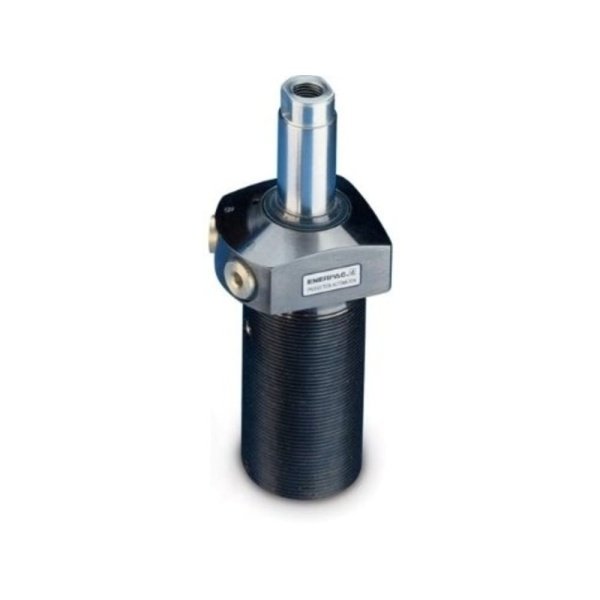


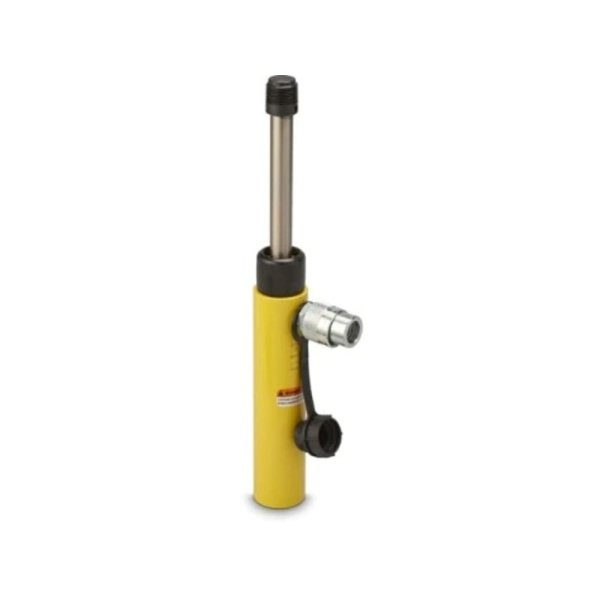

Industrial Hydraulic Pull Cylinders
Generate massive mechanical tension forces and maintain absolute structural stability during heavy alignment setups with our professional array of heavy-tonnage pull-cylinders. Specifically engineered to meet rigorous structural shoring, shipbuilding steel plate alignment, and heavy machinery rigging demands, these high-pressure fluid power systems provide smooth linear actuation under peak load conditions. Discover your required pull stroke lengths, structural capacity limits, and mechanical links to safely align factory frames, pull heavy drivetrain pins, and optimize field rigging safety protocols.
Hydraulic Pull Cylinder Tension Dynamics & Connection Specifications
Using inadequate, improvised pulling setups or ignoring load weight distribution limits can cause sudden structural tie-rod breaks, costly component damage, and catastrophic workshop crush injuries. To secure stable, zero-leakage hydraulic tension cycles throughout continuous industrial maintenance workflows, ensure your active technical procurement checklist matches these five core mechanical design and casing capabilities:
- High-Tensile Alloy Monoblock Bodies: Forged solid steel outer bodies engineered to safely withstand immense internal hydraulic fluid tension stress scaling up to 10,000 psi cleanly.
- Hardened High-Strength Pull Rods: Drop-forged alloy steel rods treated with hard chrome plating to completely resist horizontal friction scoring, environmental pitting, and structural rod bending.
- Heavy-Duty Threaded Link Clew Ports: Standardized high-strength collar threads and clevis mount connectors engineered to attach securely to heavy industrial rigging chains or frame link plates.
- Premium Low-Friction Internal Guide Bands: Built-in internal wear rings designed to absorb heavy side-load forces and prevent catastrophic internal piston bypass leaks during off-center tensioning.
- Quick-Connect High-Flow Fluid Couplers: Standardized 3/8″ NPT female couplers equipped with tight dust caps to establish fast, leak-free connection loops with manual or electric fluid pumps.
Frequently Asked Questions
Q: What is the primary operational difference between a standard hydraulic jack and a pull cylinder?
A: Standard hydraulic jacks apply linear pushing forces to lift heavy loads upward, whereas pull cylinders reverse the internal fluid paths to apply powerful inward tension forces to draw components together.
Q: What causes an industrial hydraulic pull cylinder to bypass fluid pressure internally?
A: Bypass leaks happen when extreme off-center side loading bends the internal rod slightly, scratching the cylinder’s inner walls and tearing the high-pressure polyurethane seals.