

Showing all 14 resultsSorted by latest


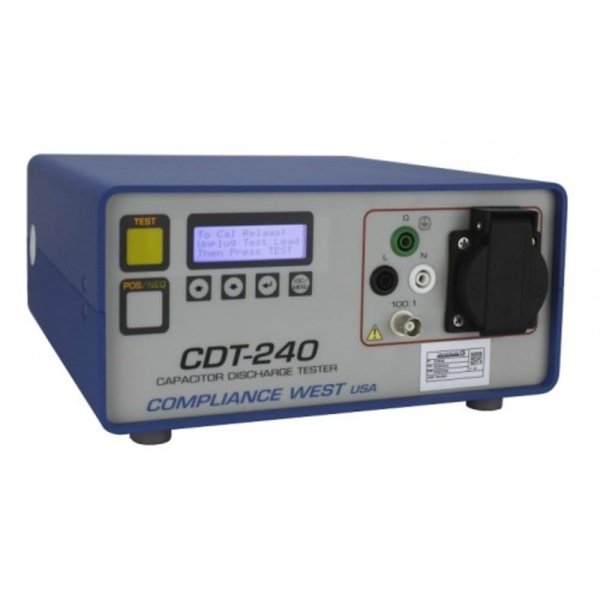


Digital Industrial Capacitance Testers
Measure raw dielectric absorption limits and streamline your manufacturing quality assurance workflows with our commercial-grade array of high-accuracy capacitance-testers. Built to survive punishing engineering R&D benches, component inspection lines, and automated motor repair workshops, these rugged digital testing platforms provide precise micro-scale metrics. Discover your required frequency testing limits, automatic sorting features, and component stand connections to log peak capacitance values, verify dissipation parameters, and maintain strict industrial testing standards.
Capacitance Tester Impedance Bridges & Dissipation Factor Features
Using improper, uncalibrated mechanical tools to analyze component capacitance or leakage paths results in widespread circuit board failures and broken industrial power factor panel certifications. To secure smooth, trace-legal load calculations during repetitive testing workflows, verify your selected testing device matches these five foundational hardware technologies and structural safety attributes:
- Four-Terminal Kelvin Probe Connections: Advanced multi-wire contact leads that eliminate internal lead-wire resistance variables to log pure micro-ohm passive component fields.
- Broad Programmable Testing Frequencies: Internal frequency synthesizers enabling selectable testing waves scaling smoothly from low Hz parameters up to high-speed MHz bands cleanly.
- Automated High-Speed Comparator Software: Onboard software configurations that instantly compare real-time component readings against customizable tolerance limits for rapid PASS/FAIL sorting.
- Simultaneous Dual-Display Parameters: High-contrast digital screens displaying primary capacitance metrics alongside secondary dissipation (D) or quality (Q) factor values clearly.
- NIST-Traceable Accuracy Certifications: Precision calibrated internal measuring bridges providing fraction-of-a-percent readouts fully certified to national tracing standards laboratories.
Frequently Asked Questions
Q: Why is a four-wire Kelvin connection necessary for precise capacitance meter testing loops?
A: The four-wire design splits current and voltage paths, completely removing the test lead wires’ own residual resistance and inductance metrics for perfect precision.
Q: What does a rising dissipation factor (D) reveal during an industrial motor capacitor check?
A: A rising dissipation score indicates high internal energy loss and dielectric breakdown, warning technicians that the capacitor is overheating internally and nearing blowout failure.