

Showing all 6 resultsSorted by latest



Ultrasonic Digital Flaw Detectors
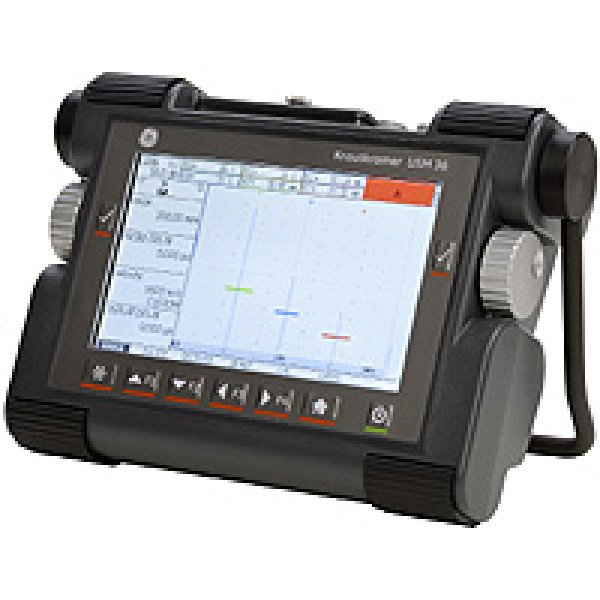
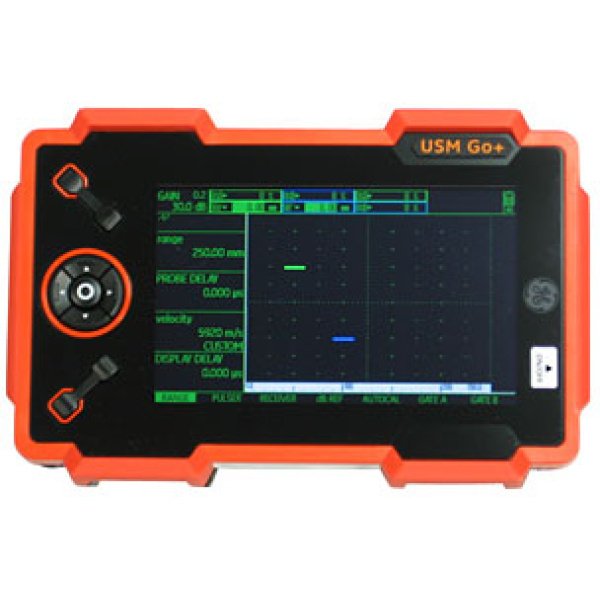
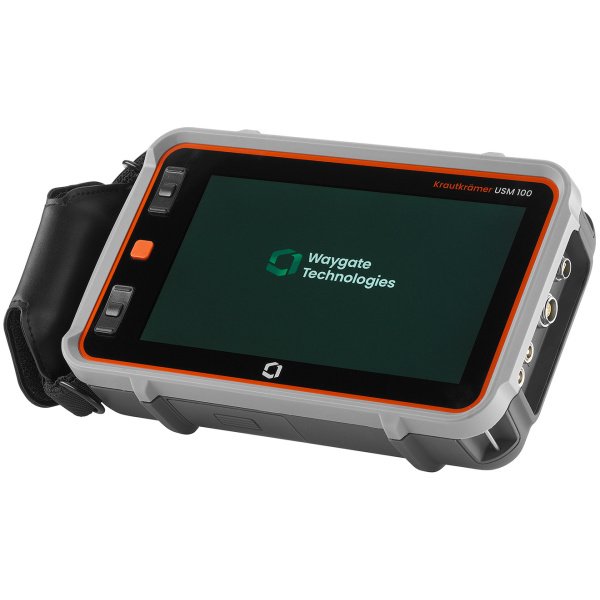
Optimize your non-destructive material quality inspections and isolate structural welding fractures without asset teardowns with our high-end flaw-detectors. Optimized for aerospace aviation mechanics, civil infrastructure engineers, and heavy industrial quality control bay millwrights, these ultrasonic non-destructive testing devices provide deep tracking arrays. Find your required transducer frequency ranges, time-of-flight distance-to-fault tracking metrics, and internal storage data sheets to document hairline substrate cracks, calculate material thickness decays, and satisfy strict manufacturing criteria.
Ultrasonic Flaw Processing Loops & Transducer Array Technologies
Relying on low-resolution remote inspection imagery or uncalibrated sound velocity matrices across rough structural metal forgings triggers severe trace location blind spots, undetected pipeline stress lines, and catastrophic equipment failures. To ensure clean, trace-legal internal substrate calculations throughout repetitive quality control workflows, verify your selected model matches these five foundational hardware technologies:
- High-Resolution Multi-Element Phased Arrays: Advanced dual-element sensor matrices engineered to sweep ultrasonic pulse beams across multiple angular paths simultaneously for sharp interior visuals.
- Precision Time-of-Flight Velocity Menus: Integrated internal firmware profiles allowing operators to dial in exact percentages matching specific solid carbon steel or aluminum variables.
- Automated Distance-to-Fault Mapping Software: High-speed processing software built to instantly translate complex acoustic reflection wave lines into clear thickness footing data on screen.
- Rugged High-Ingress Sealed Housings: Impact-resistant double-molded outer composite body shells carrying certified IP66 or IP67 ingress protection barriers built to withstand grueling shipyard conditions.
- Secure Automated LIMS Software Syncs: Onboard communication modules supporting instantaneous upload of standard A-scan, B-scan, or C-scan diagnostic reports directly onto corporate tracking servers.
Frequently Asked Questions
Q: How does a digital ultrasonic flaw detector identify a hidden internal metal fracture?
A: It launches high-frequency acoustic waves into the part; when the sound wave hits an internal crack or air void path, it bounces backward earlier than the back wall, plotting a distinct signal spike on screen.
Q: What is the main structural advantage of a Phased Array Flaw Detector (PAUT) over standard conventional ultrasound?
A: Conventional models use one fixed focus beam, while phased arrays control dozens of tiny internal crystals to dynamically sweep and focus light angles, mapping complete cross-sectional visual charts instantly.