

Showing 1–28 of 108 resultsSorted by latest


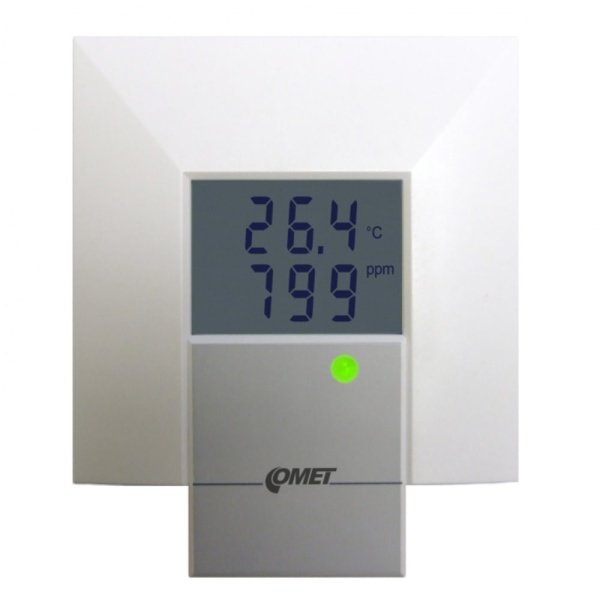
Industrial Temperature Transmitters
Normalize your plant sensor signals and secure immaculate loop data integrity across long distances with our commercial-grade array of high-accuracy temperature-transmitters. Engineered specifically to convert weak millivolt or resistance outputs into robust automation signals, these rugged head-mount and DIN-rail instruments eliminate thermal interference loops. Discover your required sensor input universal configurations, hazardous area safety approvals, and digital network protocols to lock maintenance-free tracking across your automated facility layout.
Temperature Transmitter Loop Conditioning & Protocol Configurations
Unexpected sensor calibration drift or structural voltage signal decay over long copper wire lines triggers severe factory automation shutdowns, distorted blending ratios, and catastrophic processing thermal spikes. To secure stable, trace-legal signal conditioning throughout high-temperature machinery manifolds, ensure your electrical engineering procurement specifications match these five core technical design and connection frameworks:
- Universal RTD & Thermocouple Inputs: Advanced internal firmware terminal block links that automatically accept direct connections for Type K, J, RTD Pt100, and Pt1000 probes.
- Standardized 4-20mA Loop Power: High-efficiency linear current loop processing built to transmit pristine temperature metrics across miles of factory cabling without signal decay.
- Native HART Communication Protocols: Smart microprocessor arrays enabling simultaneous analog current loops and digital telemetry parameters for remote PLC calibration diagnostics.
- Galvanic Electrical Isolation Barriers: Robust internal circuit isolation paths engineered to completely decouple input and output zones to eliminate stray ground loops.
- Intrinsically Safe Factory Approvals: Fully certified and validated to survive long-term deployment inside explosive environments carrying strict ATEX or FM safety labels.
Frequently Asked Questions
Q: What is the primary operational advantage of using a temperature transmitter over running bare probe wires to a control panel?
A: A transmitter converts weak signals into a robust 4-20mA current loop, which is immune to electrical noise and voltage drops over long industrial distances.
Q: What does a smart HART-enabled temperature transmitter allow technicians to execute remotely?
A: HART technology allows technicians to re-range temperature limits, read internal diagnostic errors, and perform sensor calibrations directly from the control room wire bus.