

Showing 1–28 of 37 resultsSorted by latest


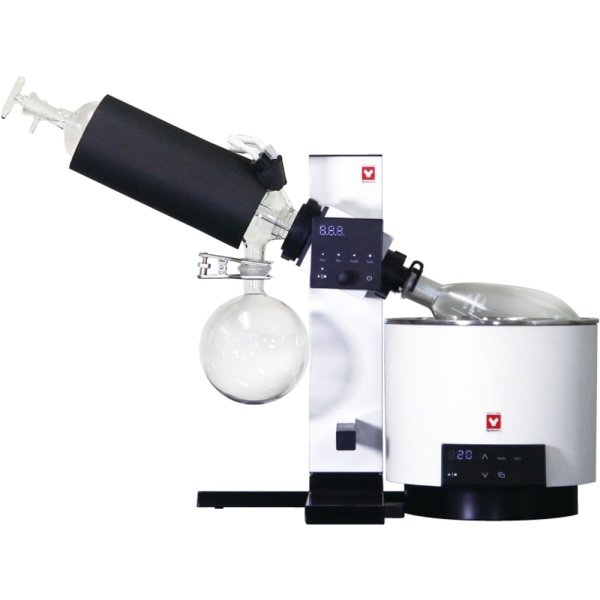


Laboratory Digital Rotary Evaporators
Optimize your laboratory solvent extractions and achieve immaculate chemical fluid separation using our premium collection of high-performance rotary-evaporators. Optimized for organic synthesis facilities, cannabis extraction cleanrooms, and industrial pharmaceutical compounding labs, these advanced distillation platforms provide precise kinetic control over volatile media. Discover your required evaporation flask capacities, digital heating bath temperature limits, and condenser type variations to ensure continuous artifact-free sample recycling metrics across your laboratory workflows.
Rotary Evaporator Vacuum Kinetics & Drive Motor Features
Selecting an incorrect laboratory distillation profile or using unstable vacuum rotation drives causes sudden sample bumping spills, lost research batches, and dangerous explosive vapor leaks. To secure consistent thermodynamic distillation cycles and precise speed limits across long-running laboratory procedures, our technical instrumentation specialists highly recommend cross-checking your procurement specs against these five core structural design criteria:
- High-Torque Brushless Rotation Motors: Powerful internal drive assemblies built to deliver constant, vibration-free rotation speeds to maximize flask liquid surface evaporation fields cleanly.
- Precision Digital Heating Bath PID Controls: Dual-walled thermal water or oil bath structures engineered with smart microprocessor circuits to lock heating ranges within tight fraction-of-a-degree boundaries.
- Automated Mechanical Motorized Lifts: Advanced motorized lift mechanisms designed to automatically raise the evaporation flask out of the hot bath reservoir during facility power failures.
- Heavy-Duty Coated Glassware Condensers: Premium borosilicate glass vertical or diagonal condenser columns wrapped in protective plastic safety coatings to eliminate shattering risks.
- Vacuum-Tight Chemical-Resistant PTFE Seals: High-durability graphite-reinforced seals optimized to completely isolate light paths and resist harsh chemical outgassing or solvent chemical degradation.
Frequently Asked Questions
Q: Why is spinning the distillation flask necessary inside a laboratory rotary evaporator?
A: Rotation forces the liquid sample to coat the entire inner flask wall, expanding the evaporation surface area dramatically and preventing localized overheating bumps.
Q: When should I choose a vertical condenser over a diagonal glass condenser configuration?
A: Choose a vertical condenser when laboratory benchtop space is constrained, as its upright design minimizes the machine’s footprint while maintaining identical cooling surface efficiency.