

Showing all 19 resultsSorted by latest


YSI 626661 ProSolo ODO/CT Kit
$1,644.00
YSI 626660 ProSolo ODO/CT Kit
$1,604.00
YSI 626664 ProSolo ODO/T Kit
$1,243.00

YSI 626663 ProSolo ODO/T Kit
$1,203.00


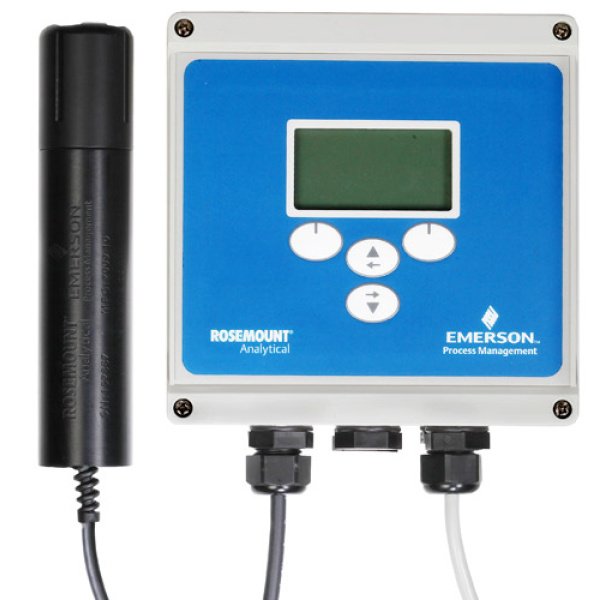
Professional Dissolved Oxygen Meters
Analyze fluid purity metrics and streamline wastewater treatment monitoring with our professional collection of high-accuracy dissolved-oxygen-meters. Optimized for environmental field research, municipal water treatment facilities, and industrial aquaculture processing, these electrochemical instruments deliver real-time aquatic diagnostics. From handheld digital field sticks built for rapid sampling loops to advanced benchtop laboratory testing stations, discover the exact electrode technology, stabilization speed, and protective casing required to document and verify liquid oxygen variables.
Dissolved Oxygen Meter Transduction & Automatic Compensation Features
Gathering inaccurate fluid chemistry metrics can disrupt local ecosystem management, break environmental protection laws, or compromise industrial manufacturing outputs. Filter our active inventory of analytical instrumentation through these five foundational hardware capabilities and automated sensor features to choose the perfect system configuration for your daily asset audits:
- Optical Luminescent Sensor Technology: Advanced non-contact optical caps that calculate oxygen columns based on light lifetime decay, completely eliminating membrane fouling risks.
- Automatic Temperature & Salinity Compensations: Onboard microprocessors that automatically recalculate fluid density shifts to eliminate temperature-induced voltage measurement errors.
- Replaceable Polarographic Membrane Modules: Modular construction formats that allow easy field replacement of worn gold-cathode bulbs or electrolyte fluid reservoirs safely.
- Waterproof Buoyant Field Enclosures: Heavy-duty outer structural body shells carrying certified IP67 ingress protection ratings to survive harsh accidental field submersions.
- Integrated Digital Data Logger Chips: Extended internal non-volatile data storage modules built to log thousands of time-stamped parameters smoothly during fieldwork.
Frequently Asked Questions
Q: What is the main structural benefit of an optical luminescent DO sensor over a galvanic sensor?
A: Optical sensors do not consume oxygen during measurement and possess zero moving parts, requiring no electrolyte fluids and ensuring minimal calibration maintenance drift.
Q: Why is salinity compensation mandatory when checking dissolved oxygen inside coastal water lines?
A: Dissolved salts physically decrease a fluid’s ability to hold oxygen; entering salinity metrics forces the internal firmware to correct data calculations precisely.