

Showing 1–28 of 139 resultsSorted by latest



Hioki SP7150 – CAN Interface
$828.00
Hioki SP7100 – CAN Interface
$828.00


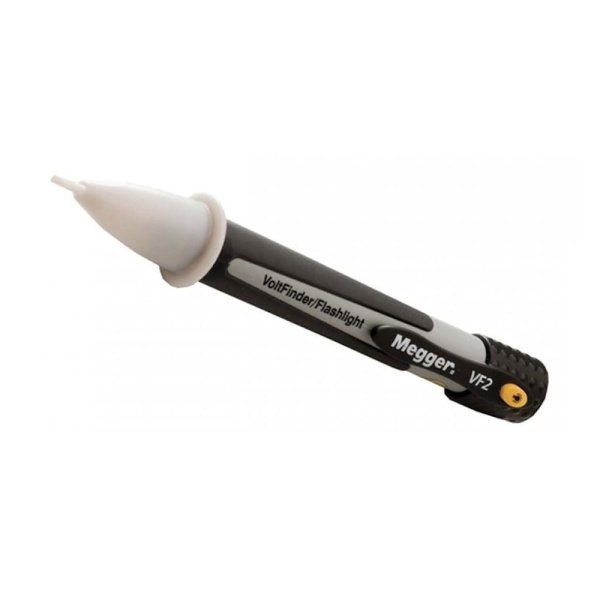
Industrial Electrical Voltage Testers
Enforce immaculate workplace safety protocols and verify live electrical connections instantly using our commercial-grade voltage tester models. Tailored for professional electrical contractors, facility millwrights, and solar grid repair crews, these rapid diagnostic safety sticks provide clean visual and audible warnings of live currents before panel contact. Discover your required overvoltage protection bounds, non-contact proximity ranges, and dual-range features to quickly identify broken industrial cables and satisfy federal safety codes without risking shock events.
Voltage Tester Proximity Technology & Safety Boundaries
Using poor-quality, unrated current sensors during industrial electrical diagnostics creates catastrophic arc flash risks and endangers technicians during live panel line checks. To secure reliable, trace-legal safety checks across dense, high-voltage factory electrical switchgear environments, ensure your active troubleshooting toolkit matches these five foundational hardware parameters:
- Non-Contact Electrostatic Proximity Sensors: Advanced non-contact induction tips that detect active voltage columns cleanly without requiring direct bare copper wire contact.
- Dual-Range Variable Sensitivity Controls: Microprocessor-controlled settings that switch between low-voltage HVAC wiring tracking and high-voltage industrial main line diagnostics.
- CAT Safety Overvoltage Compliances: Fully certified to meet strict global hazardous location protection guidelines including CAT IV 1000V industrial parameters.
- High-Visibility Visual LED Bars: Outfitted with bright flashing illumination arrays and intense audible buzzers for noisy factory automation floors.
- Integrated Heavy-Duty Flashlight Diodes: Built-in forward-facing work lights optimized to illuminate dark, compact breaker boxes during emergency power failure procedures.
Frequently Asked Questions
Q: How does a non-contact voltage tester detect electrical current without touching the metal wire?
A: It senses the miniature electrostatic field generated around alternating current (AC) lines and converts it into a visual or audible alarm signal.
Q: What is the primary benefit of a dual-range voltage tester on an industrial work site?
A: It allows a technician to use one tool to safely diagnose low-voltage 12V control loops as well as high-voltage 1000V production machinery networks.