

Showing 1–28 of 45 resultsSorted by latest


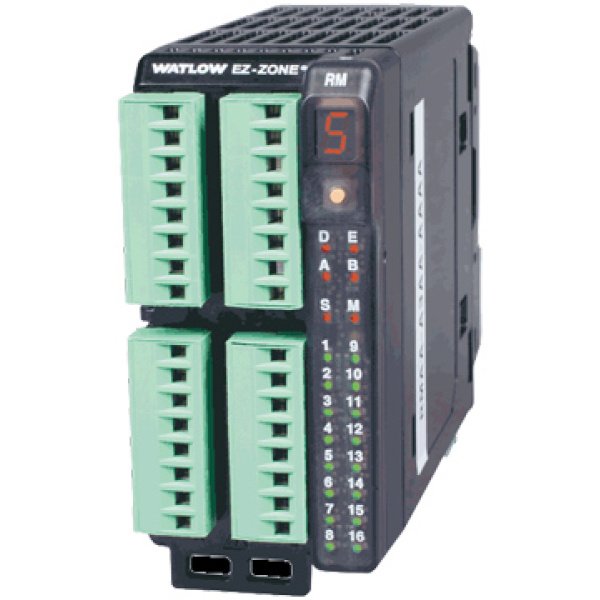


Watlow F4P Temperature Controller
$1,336.00


Digital Industrial Temperature Controllers
Optimize your factory thermal automation and enforce strict heating process boundaries using our professional selection of high-accuracy temperature-controllers. Engineered specifically for commercial oven lines, plastic extrusion plants, and laboratory climate chambers, these rugged DIN-panel instruments eliminate thermal loop fluctuations. Discover your required sensor input universal configurations, automated ramp-dwell profiles, and output relay parameters to prevent component overheating, protect active material batches, and maintain strict manufacturing compliance codes.
Temperature Controller PID Loops & Loop Logic Specifications
Allowing thermal processing elements to run with unchecked voltage adjustments or loose calibration tolerances triggers severe product manufacturing defects, rapid element burnout, and catastrophic workspace fire hazards. To secure immaculate, trace-legal thermodynamic balancing checks throughout high-heat industrial manifolds, ensure your electrical engineering procurement specifications match these five core processing vectors:
- Precision Auto-Tuning PID Controls: Advanced internal algorithms that continuously sample thermal metrics to automatically calculate and lock ideal proportional-integral-derivative curves.
- Universal Input Channel Links: Integrated terminal block frameworks that automatically accept direct connections for Type K/J/T thermocouples and Pt100 RTD sensors.
- Dual Mechanical & Solid-State Outputs: Outfitted with high-capacity mechanical relay contacts or fast-switching SSR drive outputs for micro-second heating load modulations.
- Multi-Step Ramp-Dwell Profiles: Advanced internal software storage chips allowing operators to program automated time-versus-heat recipes cleanly without external PLC controllers.
- NEMA 4X Sealed Front Bezels: Heavy-duty structural faceplates carrying certified dust-proof and splash-resistant parameters to survive grueling factory washdown lines.
Frequently Asked Questions
Q: What is the primary benefit of an auto-tuning PID temperature controller?
A: Auto-tuning forces the controller to run a brief internal test loop to mathematically map your system’s heat lag, preventing annoying temperature overshoots and undershoots automatically.
Q: When should I choose a Solid-State Relay (SSR) output over a standard mechanical relay?
A: Choose an SSR output when your process requires high-speed, continuous cycling to hold ultra-tight temperature bounds, as mechanical relays will quickly wear out from rapid switching.