

Showing 1–28 of 588 resultsSorted by latest


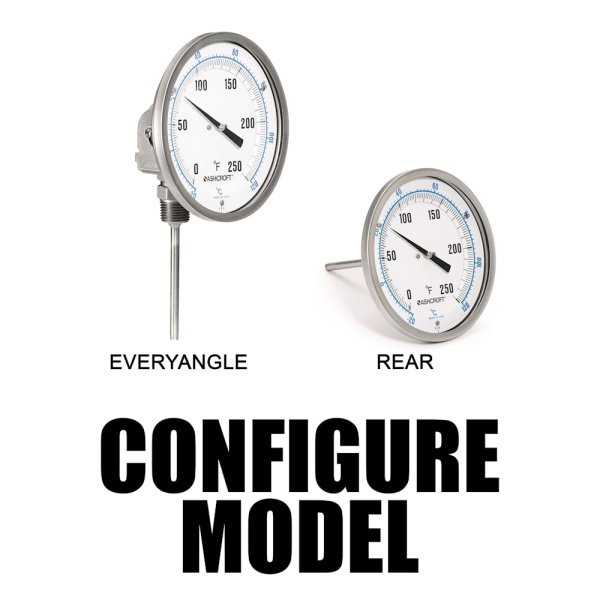

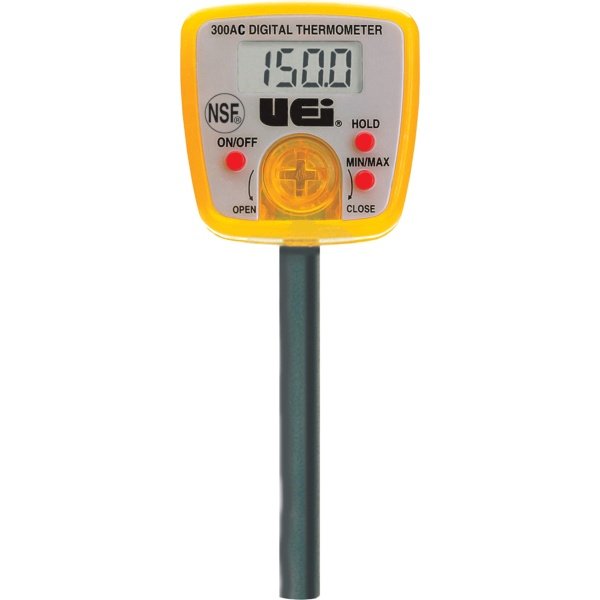
Industrial Commercial Digital Thermometers
Achieve immaculate thermal verification across your production floor with our comprehensive array of commercial-grade thermometers. Tailored for strict food safety compliance, HVAC balancing, and laboratory material processing, these high-end thermal sensors provide rapid temperature diagnostics across extreme operating limits. Based on industrial field demands, we carry precision non-contact infrared thermometers for rotating machinery and heavy-duty digital penetration probes built to satisfy rigorous manufacturing criteria. Find your required probe material, thermal range, and accuracy certification to optimize safety.
Thermometer Sensor Mechanics & Accuracy Specifications
Maintaining unstable temperatures during industrial cooking, chemical batching, or metal fabrication causes widespread product defects and breaks safety protocols. To select an optimal thermal instrument that won’t fail during continuous operation, cross-check your facility specifications against these five key measurement technologies and durability attributes:
- Sensor Element Variability: Options including ultra-stable Type K thermocouples, precision RTDs, or fast-acting thermistors tailored to your response speed.
- Non-Contact Infrared Optics: High distance-to-spot ratios paired with adjustable emissivity settings to accurately measure hot, moving components.
- HACCP Food Safety Validation: Certified clean-surface probe geometries designed to prevent cross-contamination and ensure swift food temperature logging.
- Calibrated Precision Tolerances: Instruments calibrated to deliver fraction-of-a-degree precision, fully traceable to NIST national measurement standards.
- Heavy Antimicrobial Protection: Rugged outer casings molded with specialized additives to inhibit bacterial growth in processing workshops.
Frequently Asked Questions
Q: What is the main advantage of an RTD sensor over a standard thermocouple?
A: RTD sensors provide significantly higher measurement stability and accuracy over long periods, making them ideal for precise laboratory applications.
Q: Why is the distance-to-spot (D:S) ratio important on an infrared thermometer?
A: The D:S ratio determines the size of the measurement area from a specific distance. A higher ratio allows you to measure smaller targets from farther away safely.